As the holiday season approaches, businesses across Canada often see changes in work patterns. Employees may travel, work remotely or adjust their schedules to accommodate personal commitments. While this flexibility can boost morale and productivity, it also creates unique cybersecurity risks. Protecting remote workers during this period is key to safeguarding sensitive data and ensuring smooth operations.
Why cybersecurity matters more during the holidays
The holidays are a prime time for cyber threats. Hackers know that staffing levels may be reduced and employees may be distracted by the season. Remote work adds another layer of risk, as staff connect from different locations and networks that may not be secure.
Common cybersecurity risks during the holidays
-
Unsecured networks – Employees may use public Wi-Fi in airports, cafés or hotels, which are often vulnerable to attack.
-
Personal device use – Staff working from personal devices may bypass company security settings.
-
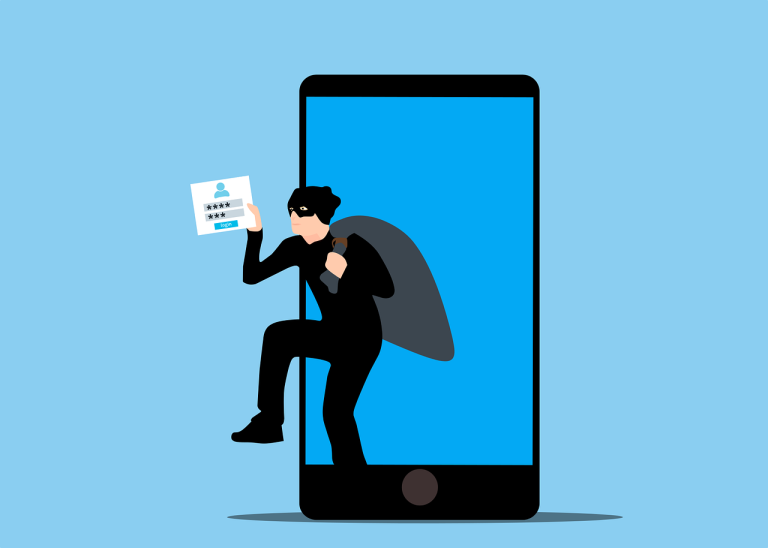
Phishing emails – Holiday-related emails, such as promotions or greetings, can mask phishing attempts.
-
Limited IT oversight – Fewer IT staff on duty may delay detection and response to threats.
How to protect your team and data
1. Use a virtual private network (VPN)
Require all remote workers to use a company-approved VPN. Ensure the software is updated and that multi-factor authentication is enabled to add an extra layer of protection.
2. Promote secure Wi-Fi habits
Encourage employees to avoid public Wi-Fi. If they must use it, advise them to verify network names and always connect through a VPN.
3. Secure mobile devices
Ensure all devices accessing company systems are encrypted and have remote wipe capabilities in case they are lost or stolen. Install security software that offers malware protection and intrusion detection.
4. Offer cybersecurity training
Conduct refresher training ahead of the holidays. Use phishing simulations to raise awareness and provide easy access to policies and support.
5. Control data access
Limit access to sensitive data based on employees’ roles. Review access logs regularly and remove temporary or contractor access when it’s no longer needed.
6. Strengthen email security
Use robust spam filters and malware detection tools. Encrypt emails containing sensitive information and restrict certain attachment types that may carry malware.
7. Secure cloud-based services
Choose reputable cloud providers and make sure data is encrypted at rest and in transit. Monitor usage logs for unusual activity.
8. Prepare an incident response plan
Have clear reporting protocols in place. Make sure staff know how to contact IT security and run practice drills to test your response.
9. Encourage strong passwords
Require complex passwords and regular updates. Recommend password managers and discourage password reuse across platforms.
10. Stay current with patches and updates
Enable automatic updates for operating systems and applications. Use a patch management system to deploy security fixes quickly and scan regularly for vulnerabilities.
Build a culture of cybersecurity
Cybersecurity is everyone’s responsibility. Leaders should model good habits, encourage open dialogue and reward employees who show awareness and initiative.
Enjoy a safe, secure holiday season
Taking steps to protect your remote workforce doesn’t just prevent disruptions — it provides peace of mind. A proactive approach helps keep your business running smoothly and your data safe as staff enjoy the holidays.
Cybersecurity is not a one-time task. It takes vigilance, planning and commitment from your whole team. Stay aware, stay safe and have a secure holiday season.