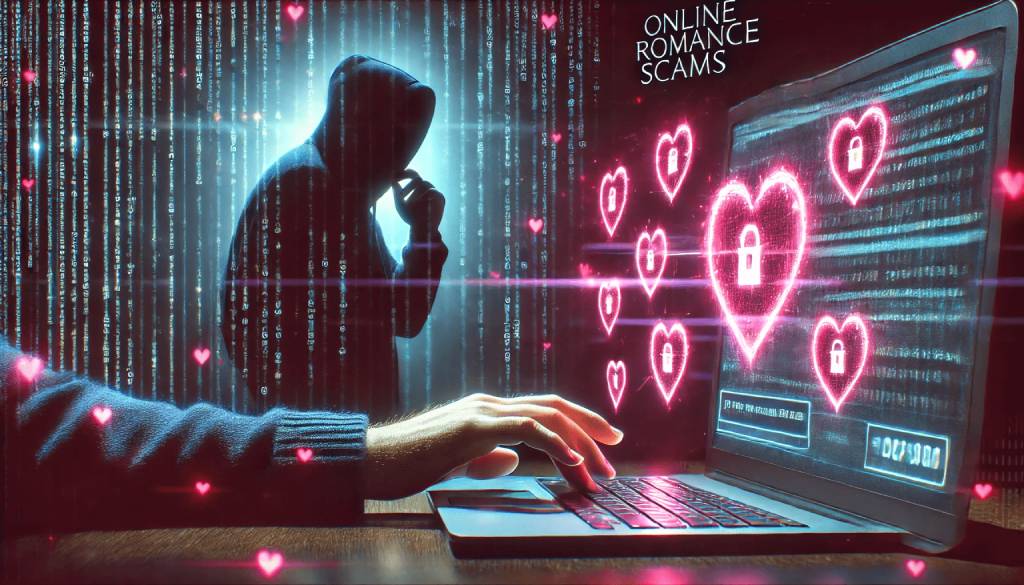
Online dating has changed the way we connect with others, offering new opportunities for love and companionship. However, alongside these possibilities comes a troubling reality: cybercriminals using dating platforms to run elaborate scams.
Valentine’s Day is a prime time for these schemes. Scammers prey on heightened emotions and the desire for connection, creating fake identities and fabricating stories to deceive unsuspecting individuals.
This article examines the rise of romance scams during Valentine’s season and provides insights to help you recognise warning signs and protect yourself and your loved ones.
What are romance scams?
Romance scams are a form of online fraud in which cybercriminals exploit emotional connections to trick people into sending money, sharing personal details or both. These scams often begin with fraudsters posing as genuine individuals on dating apps, social media or email. Over time, they manipulate their victims by fostering trust and playing on emotions such as loneliness or the search for companionship.
Romance scams are widespread and costly. The Canadian Anti-Fraud Centre (CAFC) reported that Canadians lost more than $50 million to these scams in 2022 alone. The anonymity of online interactions allows scammers to target anyone, although older adults are particularly vulnerable due to unfamiliarity with digital threats.
For example, a recent case in Toronto involved a 68-year-old woman who lost more than $200,000 to a scammer posing as a retired engineer working overseas. These heartbreaking stories demonstrate how scammers exploit trust and emotional vulnerability, often with devastating consequences.
How romance scams work
Romance scams rely on psychological manipulation, with scammers constructing elaborate schemes to gain the trust of their victims. They exploit human emotions—trust, empathy and love—turning opportunities for connection into avenues for financial and emotional harm.
Common tactics include:
- Fake profiles on dating apps and social media
Fraudsters create convincing profiles using stolen photos and fabricated details. They often portray themselves as successful, attractive and emotionally available, crafting an idealised persona to appeal to their target. - Building trust over time
After making contact, scammers maintain frequent and affectionate communication. They use compliments, claim shared interests and express deep feelings quickly. This “love bombing” phase is designed to create a strong emotional attachment. - Fabricated emergencies and requests for money
Once trust is established, scammers introduce a crisis. They may claim they need financial help for medical emergencies, business setbacks or travel costs preventing an in-person meeting. These stories are urgent and emotionally charged to pressure victims into sending money. - Phishing emails and malicious links
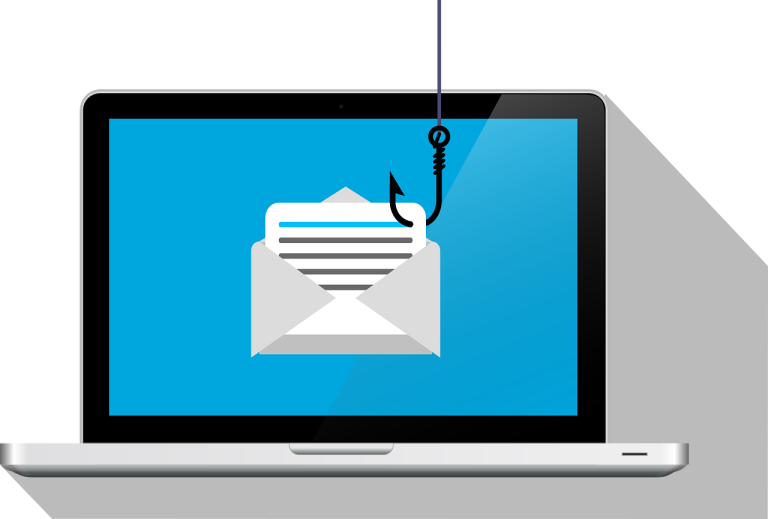
During Valentine’s season, scammers escalate their efforts by sending phishing emails disguised as e-cards or gift notifications, embedding malicious links to steal personal data.
Signs of a romance scam: red flags to watch for
Romance scams often share common warning signs. Stay alert for these red flags:
- Avoiding video calls or in-person meetings
Scammers frequently find excuses to avoid video chatting or meeting in person. They may claim to be working on a classified project, deployed overseas or stuck in a remote location. - Requests for financial help
A major red flag is when someone you’ve never met in person asks for money, citing urgent and emotional reasons such as medical expenses or travel emergencies. This is almost always a scam. - Inconsistent or overly elaborate personal stories
Fraudsters often change details about their background. One day, they may claim to be a wealthy entrepreneur, and the next, a military doctor stationed abroad. If their story seems too good to be true or constantly changes, take a step back.
Tips to protect yourself and your loved ones
How can you safeguard yourself and those around you? Here are some practical steps:
- Verify their identity
Do not accept online profiles at face value. Use reverse image search tools to see if their photos appear elsewhere on the internet. Scammers often steal images from public accounts to create fake personas. - Keep personal information private
Avoid sharing personal details such as your home address, workplace or financial information—especially early in an online relationship. Scammers can use this information for identity theft or other fraudulent activities. - Watch for pressure tactics
Scammers create urgency to push victims into quick decisions. Whether they are asking for money or encouraging you to click on a link, be wary of tactics designed to bypass rational thinking. - Be cautious with emails and links
During Valentine’s season, be extra vigilant about unsolicited emails or messages containing links, even if they seem romantic. Fraudsters often disguise phishing attempts as e-cards or love letters.
What to do if you suspect a scam
If you suspect you are being targeted by a romance scam, take immediate action:
- Stop all communication
Cease all contact with the individual. Block them on all platforms and avoid responding to their messages. - Report the profile
Notify the dating site or social media platform where the scammer contacted you. Most platforms have tools to report fraudulent profiles. - Alert Canadian authorities
File a report with the Canadian Anti-Fraud Centre (CAFC) or your local police department. If financial transactions were involved, contact your bank immediately. - Warn friends and family
Scammers often target multiple individuals simultaneously. Share your experience with loved ones—especially those who may be more vulnerable—to help prevent further victimisation.
Stay vigilant, stay safe
Romance scams thrive on emotional manipulation and a lack of awareness. By recognising warning signs and taking precautions, you can protect yourself and those around you.
Online dating can still offer meaningful connections. Staying informed and cautious will help you navigate digital relationships safely while avoiding scams. Protecting your heart—and your finances—does not mean shutting yourself off; it simply means staying smart and aware.