Technology Within the Operating Reality of Veterinary Practices
Victoria, Nanaimo And Vancouver
Veterinary practices operate at the intersection of medical decision-making, client trust, and real-time service delivery. In clinics across Victoria, Nanaimo, and Vancouver, technology underpins appointment flow, diagnostics, medical records, prescribing, billing, and client communication.
Unlike purely administrative professions, veterinary operations are continuous, patient-driven, and interruption-intolerant. IT is not a background function. It is part of the clinic’s clinical and business infrastructure, directly affecting patient care, staff workload, and professional exposure.
Veterinary leadership typically expects IT to:
Daxtech supports veterinary organizations by managing the technology that clinics rely on during active clinical operations where downtime, data loss, or access issues translate directly into operational disruption, reputational risk, and financial impact.
IT Services Designed Around How Veterinary Clinics Actually Operate
Daxtech designs and manages IT environments based on how veterinary clinics function under real clinical pressure, not on generic office IT assumptions. Planning decisions are driven by when systems are most heavily used, when failure creates the greatest exposure, and how quickly issues must be resolved to avoid care delays.
This approach recognizes that maintenance, updates, and changes introduced at the wrong time can be as disruptive as an outright outage. Operational practices include:


Pre-review of servers, workstations, and network performance ahead of known busy periods or equipment changes


Maintenance, updates, and reboots scheduled outside clinic hours or low-impact windows


Capacity planning based on concurrent exam room usage, imaging access, and practice-management load


Defined escalation paths when technology issues occur during active patient care
The objective is predictable system behaviour during live care, not technical optimisation for its own sake.
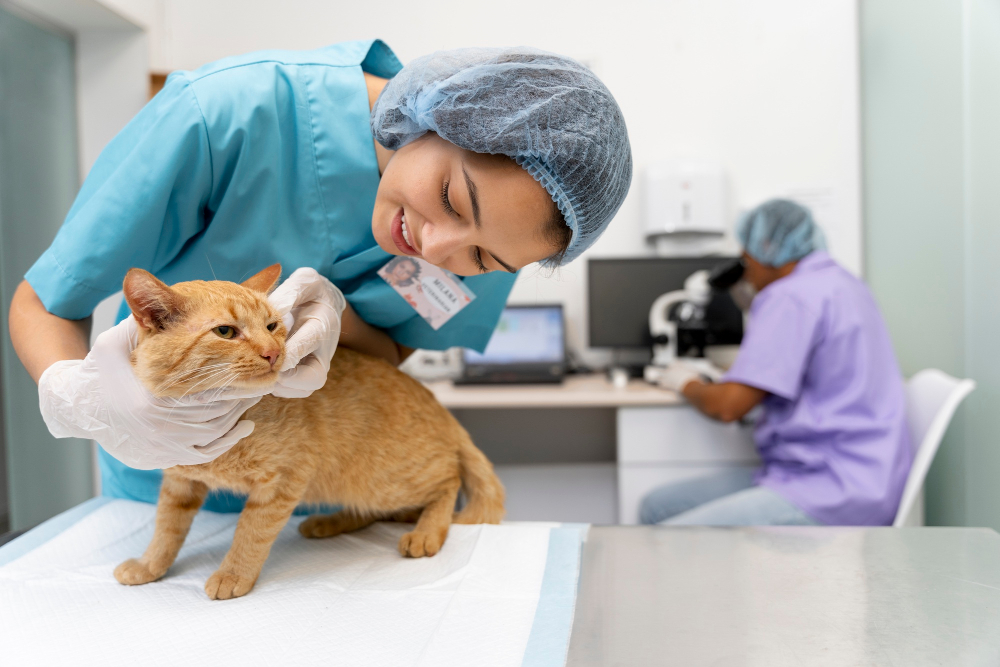
Systems & Platforms Commonly Used in Veterinary Practices
Most veterinary clinics operate in layered environments that have evolved over time as practices grow, add services, or change ownership. New systems are often introduced to solve immediate operational needs rather than as part of a single, unified design.
Daxtech commonly supports environments that include:
Daxtech supports the entire environment as a single operating system, including performance, access control, data protection, and coordination with software vendors when issues cross application and infrastructure boundaries.








Daxtech understands the realities of running a busy veterinary clinic. Their support has been reliable, and issues are handled with minimal disruption to our team and patients.
– Practice Owner, British Columbia–based veterinary clinic
Cybersecurity & Risk in a Clinical Care Environment
For veterinary practices, cybersecurity is not an abstract technical concern. It is a professional responsibility tied to client trust, continuity of care, and regulatory expectations. Clinics store personal client information, medical records, payment data, and controlled substances documentation that must be protected consistently.
Security failures can disrupt operations, expose sensitive information, and undermine confidence at moments when clients are already under stress.
Veterinary-specific security practices include:
The emphasis is on protection that supports care delivery without adding friction during busy clinical workflows.

Proactive IT Management & Ongoing Operational Reviews
Reactive, break-fix IT introduces unnecessary risk in veterinary environments where delays immediately affect care delivery. Issues addressed only after failure often surface during the busiest or most sensitive moments.
Daxtech’s managed IT approach introduces structure, oversight, and accountability through ongoing review rather than ad-hoc response.
Each veterinary practice is supported by a dedicated Customer Success Manager and participates in regular Technology Business Reviews. These reviews focus on:
This model supports informed decision-making rather than technology changes made under clinical pressure.
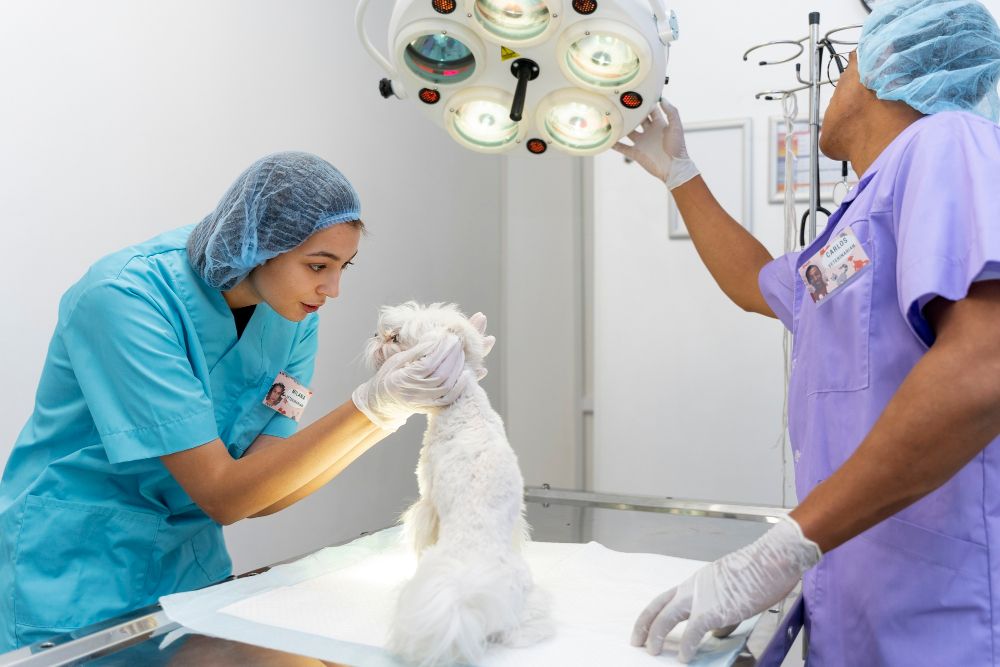
Where Care Delivery Leaves Little Margin for Error
Veterinary clinics do not operate on flexible timelines. Appointment schedules, surgical blocks, emergency cases, and diagnostic workflows create fixed, non-deferrable operating periods each day. When systems fail during clinic hours, work does not pause it backs up, spills over, or breaks down.
Pressure typically originates from concurrency. Multiple exam rooms, imaging tools, lab integrations, and staff roles depend on the same systems at the same time. A delay in record access or imaging retrieval during consultations cascades into longer appointments, client dissatisfaction, and overtime staffing.
Operational exposure increases during identifiable moments, including:
Veterinary practices generally have low tolerance for disruption during clinical hours. Even brief outages affect patient care decisions, client confidence, and staff stress levels.
Frequently Asked Questions
Next Steps
Many veterinary practices begin by reviewing their current IT environment to identify operational risk, system gaps, and improvement opportunities.
A structured conversation or environment review is an appropriate next step for clinic owners who want clarity around how their technology supports or constrains day-to-day care delivery and long-term stability.