Technology Within the Operating Reality of Automotive Businesses
Victoria, Nanaimo And Vancouver
Automotive dealerships and multi-location automotive businesses operate under constant transactional pressure. Sales activity, service throughput, financing, and manufacturer reporting all depend on systems that must be available and accurate throughout the business day, with little tolerance for interruption.
In Victoria, Nanaimo, and Vancouver, automotive operators also work within provincial consumer protection rules, lender requirements, and manufacturer audit expectations. In this environment, IT is not a back-office utility. It is part of sales execution, service delivery, compliance, and cash flow.
We work with firms that want:
Daxtech IT Solutions helps automotive organizations manage the technology that underpins sales, service, financing, reporting, and compliance—so operational risk is reduced during periods when downtime or data issues directly affect revenue and reputation.
IT Services Designed Around How Automotive Operations Function
Daxtech structures IT management around the reality that automotive systems must perform during business hours, not just outside them. Planning decisions are driven by transaction timing, compliance exposure, and operational dependency rather than generic maintenance schedules. Operationally, this includes:


Pre-emptive system and capacity reviews ahead of seasonal or promotional demand spikes.


Maintenance, updates, and changes scheduled outside business hours and peak service windows.

Capacity planning based on busiest days and worst-case transaction volume, not averages.


Clearly defined escalation and response procedures when issues affect active sales or service operations.
The objective is to reduce avoidable disruption and ensure technology supports throughput rather than becoming a constraint.

Systems & Platforms Commonly Used in Automotive Environments
Most automotive organizations operate in layered environments that have evolved over time. Systems are added to support sales, service, parts, finance, and compliance, often from different vendors with varying integration maturity. Commonly supported platforms include:
Daxtech supports the entire environment as a single operating system. This includes performance and availability, secure access control, data protection and recovery, and coordination with software vendors when issues span multiple platforms.







Daxtech understands the operational pressure of running a busy service department. Their support has been consistent and reliable, particularly during peak periods when downtime isn’t an option.
– Operations Manager, British Columbia–based automotive business
Cybersecurity & Risk in Automotive Operations
Automotive organizations handle personal identification, credit information, and financial data as part of daily operations. Security is therefore a professional obligation tied directly to consumer trust, regulatory compliance, and insurer expectations.
Security practices are aligned to real automotive workflows and include:
The goal is consistent protection that supports continuity and reputation rather than security theatre.

Proactive IT Management & Ongoing Reviews
A reactive, break-fix IT approach introduces unnecessary risk in automotive environments where downtime directly affects revenue and customer experience. Problems addressed only after failure tend to occur at the worst possible time during peak operating hours.
Daxtech’s managed IT model introduces structure, oversight, and accountability through a dedicated Customer Success Manager and regular Technology Business Reviews. These reviews focus on governance rather than day-to-day troubleshooting.
Reviews typically cover:
This structure allows leaders to make deliberate technology decisions rather than reacting under pressure.
Where Timing, Access, and Accuracy Are Non-Negotiable
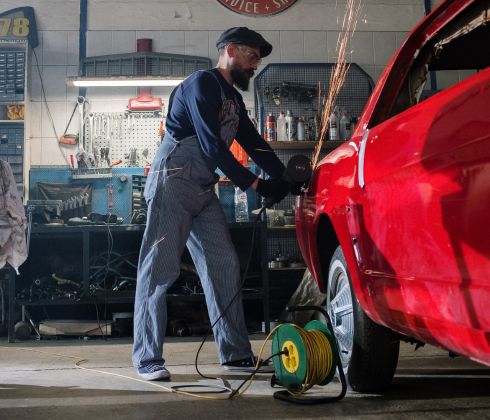
Automotive businesses operate on continuous daily transactions rather than fixed seasonal deadlines. Sales desks, service departments, parts counters, and finance offices rely on shared systems from open to close. A system slowdown at mid-day can delay deliveries, stall financing approvals, or back up service workflows within minutes.
Operational pressure increases during predictable moments: month-end sales targets, manufacturer incentive deadlines, high-volume service periods, and audit or compliance reviews. Unlike project-based industries, these pressures arrive while the business remains fully open to customers, with little ability to pause activity. Common operating realities include:
Frequently Asked Questions
Next Steps
Many automotive organizations begin with a structured review of their current technology environment to understand risk, resilience, and alignment with operations.
A short, focused conversation can help determine whether Daxtech’s approach fits your organization’s operating model and governance expectations.