Technology Within the Operating Reality of Construction Firms
Victoria, Nanaimo And Vancouver
Construction firms operating across Victoria, Nanaimo, and Vancouver work within a project-driven environment defined by fixed schedules, contractual obligations, safety requirements, and tight coordination between field and office teams. Deadlines are set by contracts, inspections, concrete pours, equipment availability, and municipal or provincial approvals not by internal preference.
In this environment, information technology is not a background utility. It directly supports project coordination, document control, cost tracking, safety reporting, and communication between supervisors, subcontractors, suppliers, and management. When systems are unavailable or unreliable at the wrong moment, the impact is immediate on site progress, compliance, and financial exposure.
We work with firms that want:
Daxtech supports construction firms by managing IT as a controlled operating system—aligned to project timelines, site realities, and regulatory obligations rather than generic office assumptions.
IT Management Aligned to How Construction Actually Works
Daxtech designs and manages IT environments based on how construction firms operate in practice, not on generic office assumptions. Planning decisions are driven by project timelines, field conditions, and risk exposure rather than standard maintenance schedules or abstract best practices.
This approach includes operational considerations such as:


Reviews of connectivity, access, and device readiness before major project phases or mobilizations.


Maintenance, patching, and system changes scheduled outside known critical construction windows.

Capacity planning based on peak project activity and field usage, not average office demand.

Defined escalation paths when technology issues affect active sites, inspections, or safety reporting.
The objective is to reduce uncertainty during periods where timing, coordination, and documentation matter most.

Systems and Platforms Commonly Used in Construction Environments
Most construction organizations operate in layered environments that have evolved as the business has grown. Systems are often added to support estimating, project management, accounting, and field communication, rather than designed as a single, unified platform. Daxtech commonly supports environments that include:
Daxtech supports these environments as a single operating system, including performance, secure access, data protection, and coordination with software vendors when issues span multiple platforms.









Daxtech understands the realities of managing projects across multiple sites. Their support has helped us maintain consistency and avoid disruptions during critical phases of our work.
– Operations Manager, British Columbia–based construction firm
Cybersecurity and Risk in Construction Operations
For construction firms, cybersecurity is tied to contractual responsibility, financial protection, and trust with clients, partners, and insurers. Project data, pricing, contracts, and personnel information must be protected across office systems and field devices.
Security measures are designed around real workflows and risk scenarios, including:
The goal is to reduce risk without introducing friction that slows down active construction work.
Proactive IT Management and Ongoing Oversight
A reactive, break-fix approach to IT introduces unnecessary risk in construction environments, where failures often occur during the most time-sensitive moments. Proactive oversight provides predictability and reduces exposure.
Each construction organization supported by Daxtech works with a dedicated Customer Success Manager and participates in regular Technology Business Reviews. These reviews focus on:
This structure supports governance and informed decision-making rather than ad-hoc problem solving.
Where Delays, Access Failures, and Data Gaps Become Costly
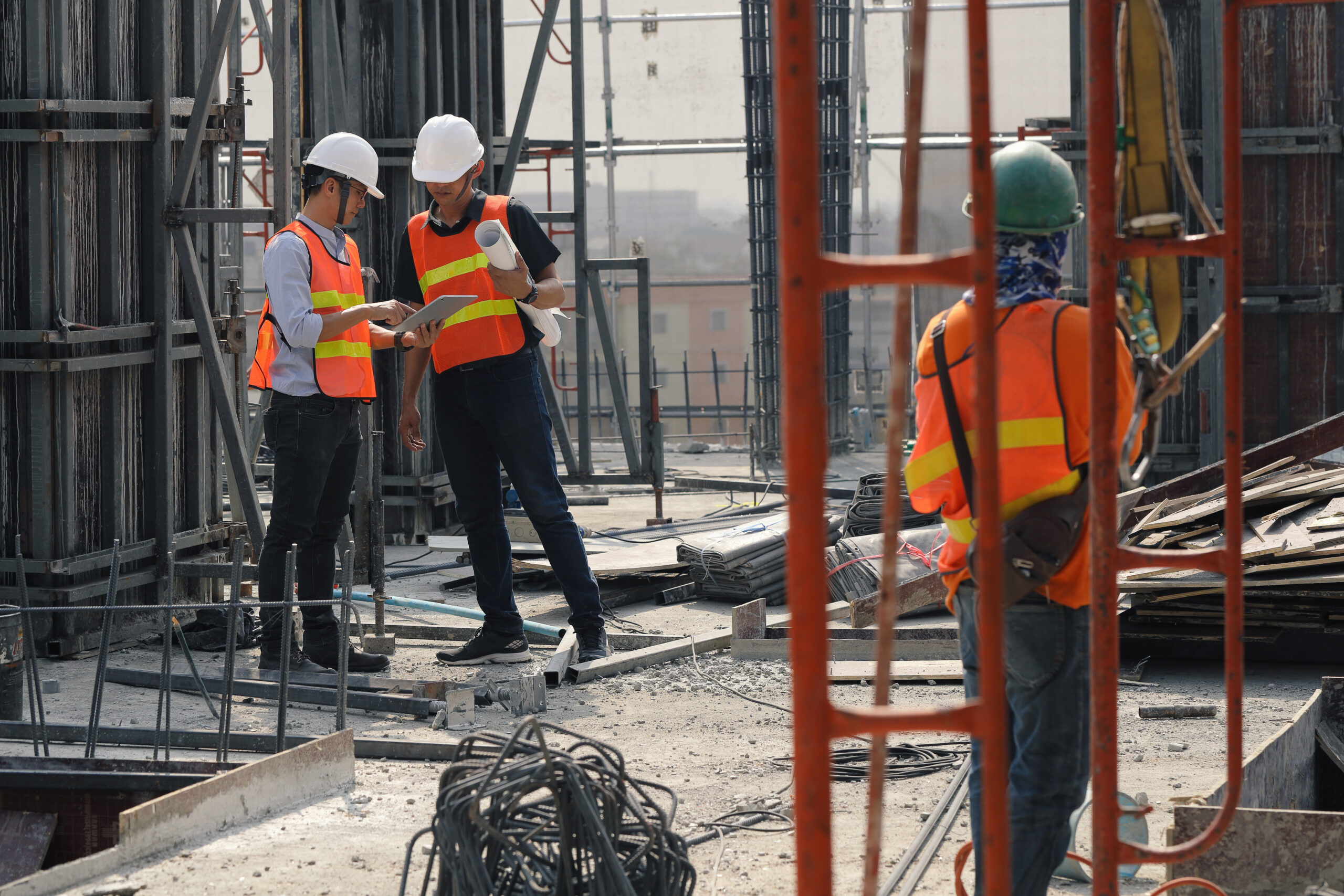
Construction operations are defined by projects rather than steady workflows. Each job introduces a concentrated period of activity where coordination, documentation, and communication must function without interruption. Schedules are shaped by contract terms, inspection windows, weather conditions, and the availability of trades and equipment.
Operational pressure often peaks during identifiable moments such as project mobilization, major pours, inspections, close-outs, and change-order negotiations. At these times, delays caused by unavailable systems, inaccessible drawings, or communication breakdowns can cascade into missed deadlines, contractual penalties, or safety exposure. Day-to-day realities that shape technology requirements include:
Frequently Asked Questions
Next Steps
Many construction firms begin by reviewing their current IT environment in the context of active projects, risk exposure, and future growth.
A structured discussion or environment review can help determine whether existing systems and processes are aligned with how your organization actually operates.