Technology Within the Clinical and Regulatory Reality of Dental Practices
Victoria, Nanaimo And Vancouver
Dental practices in Victoria, Nanaimo, and Vancouver operate in a tightly coordinated clinical environment where patient care, scheduling, billing, regulatory compliance, and imaging all converge in real time. Daily operations are driven by fixed appointment blocks, chair utilization targets, and clinical workflows that leave little tolerance for system delay or downtime.
In this setting, information technology is not a background utility. It is embedded directly in patient intake, clinical documentation, diagnostics, treatment planning, and payment processing. When systems slow, lose connectivity, or behave unpredictably, the impact is immediate—affecting patient flow, staff efficiency, clinical accuracy, and regulatory exposure.
Dental practice owners and senior leaders typically expect IT to:
Daxtech supports dental organizations by managing IT as part of their clinical operating environment focusing on uptime during patient hours, protection of patient data, and predictable system performance under daily operational pressure.
IT Services Aligned to How Dental Practices Actually Operate
Daxtech designs and manages IT environments based on how dental practices function in real conditions not on generic office IT assumptions. Planning decisions are driven by patient-hour realities, clinical risk, and regulatory accountability.
Rather than applying one-size-fits-all best practices, Daxtech aligns IT management to the specific timing and pressure points of dental operations, including:


System health reviews scheduled before known busy periods, staffing changes, or equipment upgrades


Maintenance, patching, and updates scheduled outside patient hours to avoid chair-side disruption

Capacity planning based on simultaneous clinical use, not average workstation activity

Defined escalation procedures when IT issues affect active patient care or clinic flow
The objective is operational predictability reducing the likelihood that technology becomes a limiting factor during patient care.
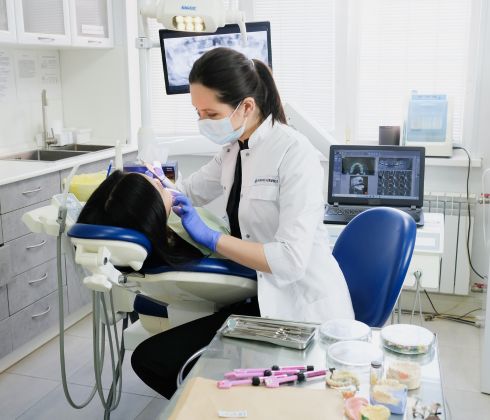
Systems and Platforms Commonly Used in Dental Practices
Most dental practices operate in layered environments that have evolved over time as clinics grow, add operatories, or adopt new imaging and billing tools. These environments often combine on-premise systems with cloud services and vendor-managed platforms. Daxtech commonly supports environments that include:
Daxtech supports the entire environment as a single operating system, including performance, secure access, data protection, and coordination with software vendors when issues cross between applications, hardware, and networks.










Our company and sister offices have been using Daxtech for a few years now and they are always quick to respond. Techs are calm and professional and have an understanding that not every digital issue is as obvious to the layperson, so it makes following along quite easy and removes the frustration of otherwise fumbling.
– Westhills Dental
Cybersecurity and Risk in a Clinical Environment
For dental practices, cybersecurity is not an abstract concern. It is a professional responsibility tied directly to patient trust, regulatory compliance, and business continuity. Practices handle personal health information, insurance details, and financial data daily, often across multiple systems and devices.
Daxtech approaches security as a practical safeguard embedded into real workflows, including:
The goal is to protect patient information without introducing friction that interferes with care delivery.

Proactive IT Management and Ongoing Technology Reviews
A reactive, break-fix approach to IT introduces unnecessary risk in a clinical setting where timing and accuracy matter. Waiting for systems to fail before addressing issues increases the likelihood of disruption during patient hours.
Daxtech provides dental practices with structured oversight through a dedicated Customer Success Manager and regular Technology Business Reviews. These reviews focus on governance and forward planning, including:
This approach allows practice leaders to make informed decisions deliberately, rather than under pressure.

Where Chair Time, Accuracy, and Timing Matter
Dental practices operate on compressed daily schedules built around booked appointments, hygiene cycles, and procedure blocks. Unlike many professional services, lost time cannot easily be recovered later in the day. A system issue at 9:00 a.m. can disrupt the entire schedule, increase patient wait times, and create knock-on effects for staff, billing, and follow-up care.
Operational pressure is highest during periods such as fully booked clinic days, back-to-back procedures, and times when new imaging or treatment data must be accessed instantly. Dentists, hygienists, and assistants rely on continuous access to patient records, X-rays, and treatment notes while patients are present. Front-desk staff simultaneously depend on scheduling, insurance verification, and payment systems to keep the practice moving.
When technology fails at the wrong moment, exposure includes delayed care, documentation gaps, patient dissatisfaction, and potential privacy or compliance issues if staff resort to insecure workarounds. Common operating realities include:
Frequently Asked Questions
Next Steps
Many dental practices begin by reviewing their current technology environment to understand where operational, compliance, or continuity risks may exist.
A structured conversation or environment review can help determine whether Daxtech’s approach aligns with how your practice operates and the level of oversight you require.